
In the past, if you wanted to learn how to code, you’d have to order a specialized book from the library. After waiting two weeks for it to come in, you could start to learn. It took awhile just to get started.
In the past, if you wanted to learn how to code, you’d have to order a specialized book from the library. After waiting two weeks for it to come in, you could start to learn. It took awhile just to get started.
Slow loading times aren’t just frustrating—they’re driving customers away before your site even loads. When shared hosting becomes your business’s bottleneck, exposing sensitive data to security risks and crippling your growth with inflexible configurations, the question isn’t whether to upgrade to dedicated hosting, but when. The timing of this transition, along with crucial choices about data center location and server specifications, could either unlock your potential or become an expensive misstep.
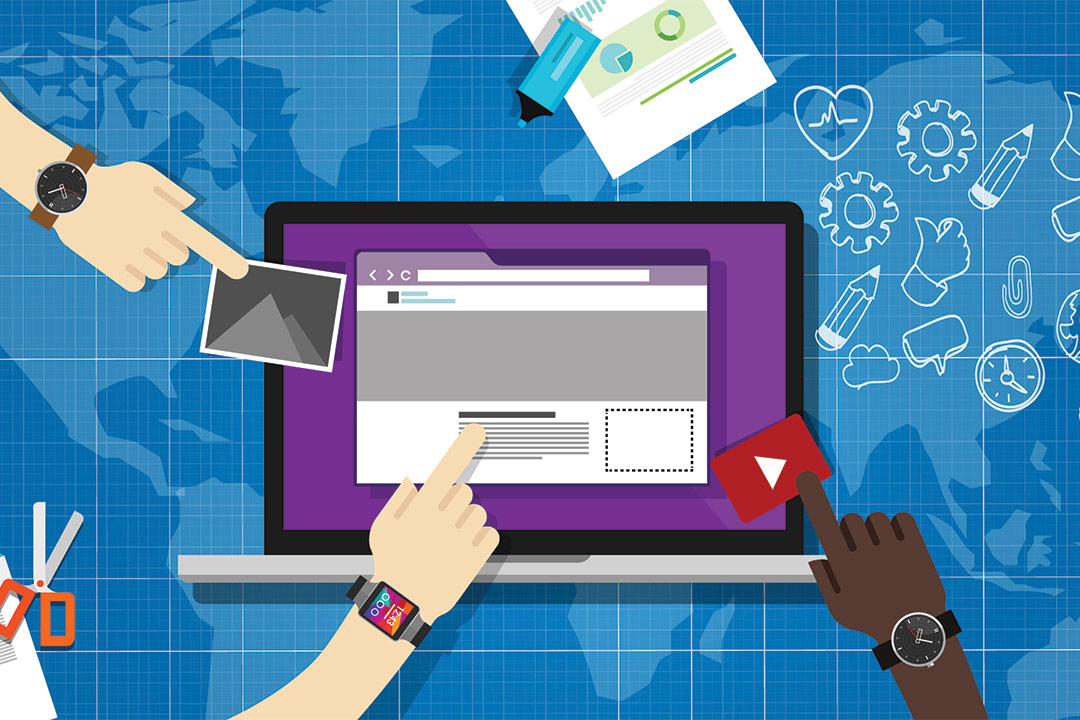
You may have heard the term CMS. It stands for Content Management System. But what is it exactly, and why should it matter to you?
A Content Management System is software that empowers users to create, edit, and publish content effortlessly. Most CMSs are known for streamlining the creation, management, and delivery of digital content, enabling users to build and maintain websites without extensive coding knowledge. On a website with a CMS installed, the content and media are managed through an administration area called the “backend” or “dashboard.” This area is also where you can manage the layout of the website.

You want to build a website. Should you hire a WordPress developer, or figure out how to build the website on your own? Great question!
Today we’ll help you choose the right option. First, let’s talk about WordPress.

Website hosting providers typically offer set packages with different features customers can choose from based on their needs. One of the important decisions businesses have to make is whether the IP address that comes with their server is sufficient or if they need to upgrade to a dedicated IP address.
InMotion Hosting is heading to Tampa, Florida to attend the 3rd annual JoomlaDay! We proudly sponsor this event and will send our very own Brand Evangelist, MikeDemo, to speak and network with other Joomla experts. This year, the event takes place in the heart of Tampa’s Historic Latin Quarter, at the Ybor City Campus.
As they do when shopping for a car, WordPress hosting customers face a bevy of questions when determining which plan to drive off the lot. How fast do you want to go? How comfortable is the ride? What safety measures will protect you in case of a crash?
So, you have built your site, and everything looks great. You love the look and feel, it loads quickly, and your customers have begun flocking to it. Now you need some way to gather information from them. Whether you want to provide a way for them to email you without exposing your email address to the world, create a survey to learn about your visitors, or perhaps design a call to action to collect their information, WordPress makes creating and using forms easy.

When selecting a fast hosting solution, you must consider many factors. Among them: choosing the right type of storage – SSD or HDD.
Historically, hard disk drives (HDD), also known as magnetic storage devices, have been the most common type of storage available. These drives have been around for decades and can store large amounts of data very cheaply. Magnetic storage devices include hard disk drives, magneto-optical drives (e.g. CDROMs, DVDs) tapes, and floppy disks.
When building your WordPress site, you should treat making your brand identity stand out as vital to your site’s success.
You need to ensure that your site aligns with your company’s image, goals, and values. You also need to remove any elements that might confuse visitors as to your objectives, personality, and investment in your own brand. To reach those goals, you need to find ways to add touches of your company’s personality while stripping out any extraneous information or references to other brands (like the maker of a WordPress theme).

WordPress, the most popular content management system (CMS) on the planet, powers millions of websites around the world. As a CMS, it has revolutionized the way people build and maintain content on the Internet. But, all of that well-deserved popularity comes with a price.

Personalized marketing has become the buzzword of choice for modern marketers. In personalized marketing, one focuses on strategies that emphasize initiatives and messaging targeted at the individual prospective customer. Using different forms of automation and data analysis, the marketer communicates with the prospect in a manner tailored to that individual. It often includes using the prospect’s name, shopping preferences, and other data to make them feel like you are speaking directly to them.
Millions of websites use WordPress as their content management system (CMS) of choice. As of 2017, researchers believe WordPress powers nearly 29% of all of the sites on the entire Internet, including nearly 15% of the top 100 websites in the world. With so much popularity for one CMS, you may ask yourself: “Why is WordPress so popular? What makes it so great?”
As an industry leader in the web hosting space, thousands have enjoyed InMotion Hosting’s Reseller Hosting product. It allowed customers to become their own web hosts, using InMotion Hosting’s resources to run their businesses. Yet, many wanted a SSD Reseller Hosting option that offered even more power. To that end, we have developed our incredible new

When building a site to engage your customers, you actually want it to be able to interact with them. Sure, compelling words, pretty pictures, and entertaining videos can provide a lot of reasons for people to visit your site, but what if they need to talk to you? What if you want them to have a way to get an answer to their question right now, instead of a few days later (after you discover their email in your spam folder)?