This guide explains how CPA (Cost Per Action) marketing works, the key players, and the most common payment models. You learn how CPA compares to CPL, CAC, and ROAS so you can judge both efficiency and profitability. The article also covers technical setup, SEO, compliance, and infrastructure, plus proven ways to lower CPA without sacrificing lead quality. Finally, it walks you through picking networks, optimizing campaigns, and launching your first CPA offers.
CPA stands for “Cost Per Action”. That means CPA marketing is a type of affiliate marketing through which you get paid for driving specific actions, such as getting someone to sign up for a free trial or make a purchase.
Beginners can particularly benefit from CPA marketing because it doesn’t require a large audience or significant upfront investment to get started.
This starter guide will walk you through everything you need to know about CPA marketing, from the technical setup to best practices that will have you generating leads like a pro.
We have interviewed experts with hands-on experience in CPA marketing to get you started. So, whether you’re a seasoned marketer looking to establish another income stream or a beginner with a low risk tolerance, this guide has something for you.
The CPA Marketing Model Explained
There are three key players in a CPA marketing model, including:
- The Affiliate: This person promotes the offers and drives traffic to the advertiser’s landing page.
- The Business: They have a product or service they want to promote and are willing to pay for the affiliate for each action they drive.
- The CPA Network: They act as the intermediary, connecting affiliates with advertisers and handling offer details and payments.
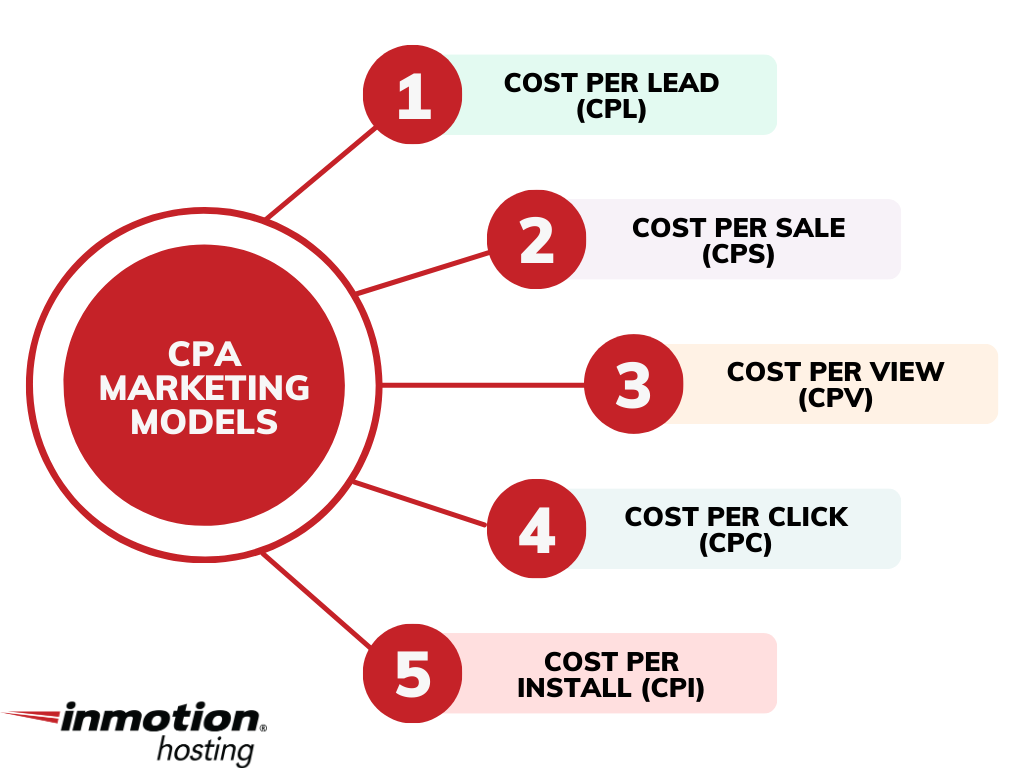
There are different ways to interpret the action element in CPA marketing. An action could be a lead, a sale, click, view, download, or install.
Technical Implementation and Infrastructure
Now, let’s get into the nuts and bolts of setting up your CPA marketing machine.
Server and Hosting Requirements
First things first, you’ll need a reliable hosting platform to ensure your campaigns run smoothly. Look for a provider that offers:
- Dedicated Resources: Ensure your hosting plan provides ample bandwidth, storage, and processing power to handle traffic surges and tracking scripts.
- High Uptime: Avoid hosts with spotty uptime records, as any downtime can hurt your campaigns and cost you money.
- Security Features: Protect your website and your audience’s data with essential security features like SSL certificates and regular backups.
Your CPA marketing business needs reliable hosting with consistent uptime to maintain campaign performance. Business-class hosting partners like InMotion Hosting offer the stability and security needed for CPA marketing campaigns.
Performance Optimization
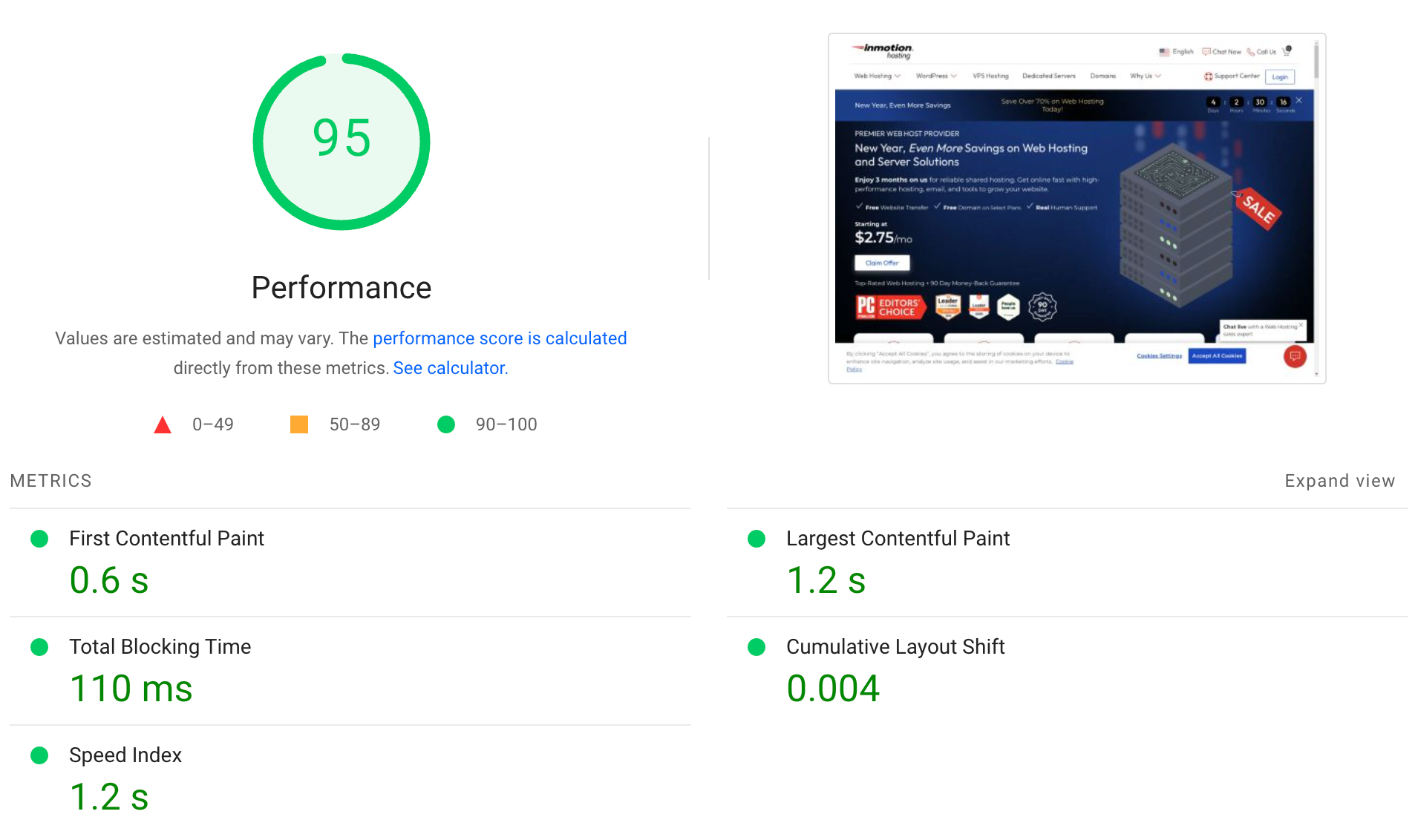
Speed is key when it comes to converting visitors into leads. Fast page load times are crucial for CPA conversion rates. Web hosting solutions optimized for WordPress, like those from InMotion Hosting, can help maintain sub-three-second load times that keep visitors engaged.
Here’s how to keep your website running like a well-oiled machine:
- Server-Side Optimization: Choose a host with optimized server configurations and features like caching to ensure fast loading times.
- Client-Side Optimization: Optimize your images, use a content delivery network (CDN), and keep your website code clean and efficient.
CMS Integration
If you’re using a content management system (CMS) like WordPress, ensure your hosting environment is optimized for it. For example, InMotion’s WordPress hosting plans come preconfigured for optimal plugin performance.
Look out for these features in whatever host you go with:
- One-Click WordPress Installation: Get your website up and running quickly with hassle-free installation.
- Automatic Updates: Keep your WordPress core, themes, and plugins up-to-date for optimal security and performance.
- WordPress-Specific Support: Get expert help with WordPress-related issues whenever you need it.
CPA Marketing Payment Models
CPA Marketing encompasses a range of payment models that reward affiliates for driving specific actions from potential customers. These actions extend beyond just sales and can include various forms of engagement. Let’s take a look at some common CPA payment models:
- Pay Per Sale (PPS): This is a straightforward model, through which affiliates earn a commission for each sale they generate. The commission amount is typically a percentage of the sale price or a fixed fee.
- Pay Per Lead (PPL): In this model, affiliates are paid for generating leads. Leads are potential customers who have expressed interest in the product or service. This could involve submitting a contact form, signing up for a newsletter, or requesting a quote.
- Pay Per Action (PPA): This is a broader category that encompasses various actions beyond sales and leads. These actions could include downloading a file, watching a video, completing a survey, or installing an app.
- Pay Per Click (PPC): While not strictly a CPA model, PPC is often used in conjunction with CPA campaigns. In this model, affiliates are paid for each click they generate on an advertisement.
- Pay Per Call (PPCall): This model rewards affiliates for generating phone calls to the advertiser. This is often used for products or services that require a more personal touch.
- Recurring Payments: This model provides affiliates with recurring commissions for subscriptions or memberships they help generate. This can be a lucrative model for products or services with a recurring revenue stream.
Each of these models has its own advantages and disadvantages, and the best model for a particular campaign will depend on the product or service being promoted, the target audience, and the affiliate’s goals.
Understanding CPA in Context: Key Metric Comparisons
CPA doesn’t exist in a vacuum. To run effective campaigns and communicate with stakeholders, you need to understand how CPA relates to other performance marketing metrics.
CPA vs CPL (Cost Per Lead)
CPL (Cost Per Lead) measures what you pay to acquire a lead, someone who has expressed interest but hasn’t necessarily converted to a customer yet.
The Key Difference: CPL is actually a subset of CPA. When you’re running a Pay Per Lead (PPL) CPA campaign, your CPL is your CPA. But CPA is broader. It can measure any action, while CPL specifically measures lead generation.
When to Use Each:
- Use CPL when you’re focused on top-of-funnel metrics and building your pipeline
- Use CPA when you’re measuring a variety of actions (sales, downloads, signups) across different campaign types
Example: If you spend $500 on a campaign and generate 50 leads, your CPL is $10. If those leads are the “action” you’re paying for in your CPA network, then your CPA is also $10. But if you’re measuring CPA as cost-per-sale and only 5 of those leads convert, your CPA would be $100.
CPA vs CAC (Customer Acquisition Cost)
CAC (Customer Acquisition Cost) measures the total cost to acquire a paying customer, including all marketing, sales, and operational expenses.
The Key Difference: CPA measures the cost of a specific action in a specific campaign. CAC measures the total cost across your entire customer acquisition process.
Why It Matters: You might have a low CPA but a high CAC. For example:
- Your CPA for a lead might be $20
- But if only 10% of leads convert, and you have additional sales costs, your CAC might be $250
When to Use Each:
- Use CPA for campaign optimization and affiliate performance tracking
- Use CAC for business viability, unit economics, and strategic planning
Strategic Insight: The most successful marketers track both. CPA tells you if your campaigns are efficient. CAC tells you if your business model is sustainable. Always calculate your LTV:CAC ratio (Lifetime Value to Customer Acquisition Cost)—a healthy ratio is typically 3:1 or higher.
CPA vs ROAS (Return on Ad Spend)
ROAS (Return on Ad Spend) measures revenue generated for every dollar spent on advertising, expressed as a ratio or percentage.
The Key Difference: CPA is a cost metric (how much you spend). ROAS is a return metric (how much you make back).
The Formula:
- CPA = Total Ad Spend ÷ Total Actions
- ROAS = Revenue Generated ÷ Total Ad Spend
When to Use Each:
- Use CPA when you need to control costs and compare campaign efficiency
- Use ROAS when you need to measure profitability and revenue impact
Example:
- You spend $1,000 on ads
- You generate 50 sales (CPA = $20)
- Those sales generate $3,000 in revenue (ROAS = 3:1 or 300%)
Strategic Insight: A low CPA doesn’t automatically mean success. If your CPA is $10 but your average order value is only $15, your margins are thin. But if your ROAS is 5:1, you’re generating strong returns. Track both metrics together for the complete picture.
Putting It All Together
For agencies and marketing teams, here’s how these metrics work together:
- CPA tells you if your campaigns are efficient
- CPL tells you if your lead generation is cost-effective
- CAC tells you if your overall acquisition strategy is sustainable
- ROAS tells you if you’re generating profitable returns
The most sophisticated marketers track all four, understanding that optimization requires balancing efficiency (CPA/CPL), sustainability (CAC), and profitability (ROAS).
Technical SEO and Optimization
Don’t forget about SEO. It can be a powerful tool for driving organic traffic to your CPA offers. Here are a few technical SEO considerations:
- Hosting Environment: Your hosting environment can impact your SEO performance. Look for hosts and features, such as InMotion Hosting’s UltraStack optimization, that provide solid-state drives (SSDs) and optimized server configurations.
- Page Speed: Ensure your website loads quickly, as page speed is a crucial ranking factor. Make use of hosts that help improve your page speed scores.
- Mobile Optimization: Make sure your website is mobile-friendly, as Google prioritizes mobile-first indexing.
Data Privacy and Compliance Requirements
In today’s omnipresent digital world, security and data privacy are more important than ever. Ensure you comply with relevant regulations and protect your audience’s data:
- GDPR Compliance: If you’re targeting European audiences, ensure you comply with the General Data Protection Regulation (GDPR).
- Cookie Consent: Use a cookie consent management tool to get explicit consent from users before storing cookies on their devices.
- Data Security: Implement strong data protection protocols to safeguard user information.
Choose a hosting provider that offers SSL certificates and regular backups. Many partners such as InMotion Hosting include these security features in their business hosting plans.
CPA Marketing Best Practices
Jacob Barnes, Cofounder of FlowSavvy, has extensive experience in performance-based marketing and driving user action. He has worked in CPA marketing, both as an affiliate and a business.
His best advice for business owners looking to engage in CPA campaigns is to build a strong brand reputation. According to Barnes, “Short and sweet gains are far less valuable than future-thinking marketing. CPA marketing success often builds over time alongside your reputation and SEO progress, so create for user value first and promotions second.
“Whether you’re selling SaaS or shoes, your creative content should catch attention and build a genuine emotional connection rather than stay surface-level.”
For those starting as affiliate marketers, here is a breakdown of our top tips:
- Build Relationships: Establishing strong relationships with your affiliate managers can open doors to the best offers and provide you with invaluable support. Nurturing these relationships can lead to better communication, early access to new offers, and personalized advice tailored to your specific needs.
- Choose Networks Carefully: Steer clear of CPA networks with a questionable reputation. These networks may offer low-quality offers or engage in unethical practices that could damage your reputation and jeopardize your long-term success. Thoroughly research and choose networks known for reliability, transparency, and high-quality offers.
- Diversify Traffic Sources: Relying solely on a single traffic source can be risky. If that source dries up or undergoes algorithm changes, this can impact your entire campaign. Explore a variety of channels, including SEO, social media, paid advertising, email marketing, and content marketing, to ensure a consistent traffic flow.
- Track Your Results: Implementing analytics tools allows you to monitor your campaign performance closely. By tracking key metrics such as clicks, conversions, and revenue, you can identify what’s working and what’s not, enabling you to optimize your campaigns for better results.
Benefits of CPA Marketing
CPA marketing has a number of benefits, but we would consider these as the three most important: high returns, low risk, and ease of scale.
High ROI
CPA marketing can be highly profitable due to its performance-based nature. Advertisers only pay for specific actions, such as a sale, lead, or download, ensuring that their marketing budget is directly tied to tangible results. This eliminates wasted spending on impressions or clicks that don’t convert, leading to a higher return on investment compared to other advertising models.
Low Risk
Compared to other marketing models, CPA marketing presents relatively low risk for advertisers. Since payment is only triggered by a desired action, there is no significant upfront investment required. This reduces the financial risk associated with traditional advertising campaigns, where large budgets may be spent without a guarantee of results.
Ease of Scale
CPA marketing offers excellent scalability for successful campaigns. Once a winning formula is identified, advertisers can easily expand their reach by partnering with additional affiliates or networks. This allows for rapid growth and increased revenue without the need for substantial changes to the core campaign strategy.
InMotion Hosting Affiliate Program
Join the Industry’s Best Web Hosting Affiliate Program with Unlimited Cash-Earning Potential.
 Earn $50 to $800 per Sale Award Winning Hosting 24/7 Customer Support
How to Lower Your CPA: Proven Optimization Strategies
Lowering your CPA isn’t just about cutting costs, it’s about improving efficiency while maintaining conversion quality. Here are the most effective levers for reducing your cost per action.
1. Optimize Your Creative Assets
Your ad creative and messaging have the biggest impact on CPA. Even small improvements can dramatically lower costs.
- Run A/B tests on headlines, images, and calls-to-action: a 10% improvement in click-through rate can significantly reduce CPA.
- Replace generic claims with concrete outcomes (“Launch your site in under 5 minutes” versus “Get hosting”).
- Refresh creative every 2-4 weeks to combat ad fatigue, and match your messaging to audience intent by showing different messages to cold traffic versus warm leads.
Example: An agency reduced their CPA by 35% simply by replacing stock photos with custom screenshots showing their actual product interface.
2. Improve Landing Page Conversion Rates
Your landing page is where visitors become actions. A 1% improvement in conversion rate can cut your CPA in half.
- Remove unnecessary form fields.
- Ensure pages load in under 3 seconds using optimized hosting and compressed images.
- Make your value proposition crystal clear above the fold, and add trust signals like testimonials and security badges near your CTA.
- Most importantly, create mobile-optimized experiences since over 60% of traffic comes from mobile devices.
Use heatmaps and session recordings to identify where visitors drop off, then fix those specific friction points.
3. Refine Your Audience Targeting
Broad targeting wastes budget on unqualified traffic. Precision targeting lowers CPA while improving lead quality.
- Review your analytics and exclude demographics, locations, or devices with high CPA and low conversion rates.
- Combine interest-based targeting with behavior-based signals for more qualified audiences.
- Upload your best customers to create lookalike audiences, and implement retargeting. Visitors who’ve seen your brand before convert at 2-3x higher rates with lower CPA.
Warning: Don’t over-narrow your audience. Platforms need sufficient volume to optimize delivery.
4. Choose Higher-Intent Traffic Sources
Not all traffic is created equal. Higher-intent sources typically deliver lower CPAs.
- Search intent traffic (Google Search, Bing) typically converts best because people are actively looking for solutions.
- Warm retargeting and email marketing to your existing list also perform well.
- Social media with clear intent (LinkedIn for B2B, Facebook groups for specific interests) falls in the middle.
- Display, native ads, and untargeted social media generally have the highest CPAs.
Start with higher-intent sources, then expand to broader channels once you’ve optimized your funnel.
5. Leverage Technical and Infrastructure Optimizations
Your infrastructure and tracking setup directly affect conversion rates and CPA.
- Ensure accurate tracking.
- Use dedicated landing pages for each campaign rather than sending traffic to your homepage. Implement proper caching and CDNs for fast load times.
- Choose reliable hosting that maintains speed and uptime during traffic surges, downtime during high-traffic periods costs conversions.
6. Optimize Your Offer and Bidding Strategy
Sometimes the problem isn’t your marketing, it’s what you’re offering or how you’re bidding.
- Reduce commitment levels where possible.
- Add urgency through limited-time offers or scarcity to increase conversion rates by 20-30%.
- Start with manual bidding to understand your baseline CPA before moving to automated bidding.
- Set realistic target CPA bids: if your current CPA is $50, don’t immediately set a $20 target.
- Shift budget from high-CPA campaigns to low-CPA performers, and adjust bids by device and location based on what converts best.
A Critical Warning: Don’t Chase CPA at the Expense of Quality
The biggest mistake in CPA marketing is optimizing for low CPA while ignoring lead quality.
A $20 CPA that generates customers worth $500 is far better than a $10 CPA that generates tire-kickers who never buy. Always track lead-to-customer conversion rate, customer lifetime value (LTV), and ROI and ROAS, not just CPA.
The goal isn’t the lowest CPA, it’s the most profitable CPA that delivers qualified actions and sustainable growth.
The Top CPA Affiliate Networks for You
According to Jason Hennessey, founder of a $20M marketing agency, the biggest mistake you can make is rushing to join an unreliable CPA network.
“Even if they promise higher payouts, stick with established networks like CJ, MaxBounty, or ClickBank. These networks verify their offers, pay on time, and provide real leads. Many new marketers fall for questionable networks and waste months dealing with fake traffic and payment disputes.”
If you are looking to get started with CPA marketing, these are the CPA networks you should check out:
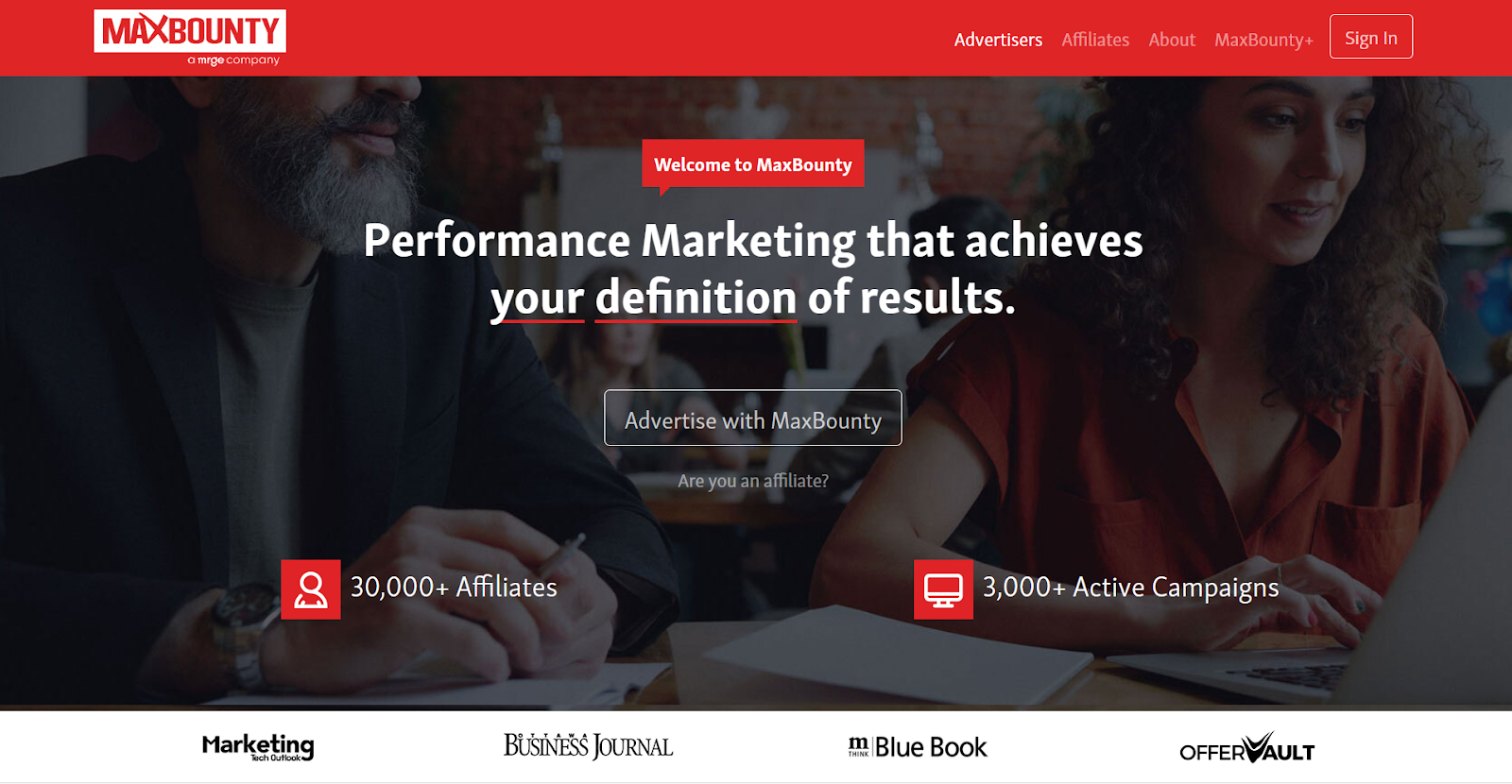
MaxBounty
The MaxBounty network is known for high payouts and a wide variety of offers, particularly in the dating and finance niches. It has a strong reputation and offers dedicated support.
Panthera Network
The Panthera Network focuses on quality over quantity with exclusive, high-paying offers. It has a strict approval process to ensure high-quality affiliates.

Perform[cb]
Perform[cb], formerly known as Clickbooth), is a large network with a wide range of verticals and advanced tracking tools, Perform[cb] provides robust reporting and analytics to optimize campaigns.
![perform[cb]](https://www.inmotionhosting.com/blog/wp-content/uploads/2025/01/AD_4nXezyQR0yYeP5dPJgKb68F9ijgkJlmxGxtPVezTVnpkJs5-MhzwATSIVQHMRZwgzHm7buOdkR95TUkcESu6Qf9jLwXdbUDw8wrjWTKEKprCsgXmi-InS2cf4fVBQazwtZYqcproWHA.png)
CJ Affiliate
CJ Affiliate, formerly known as Commission Junction, is one of the oldest and largest affiliate networks, known for its diverse offers and reliable tracking, CJ Affiliate offers a user-friendly interface and extensive resources.
ClickBank
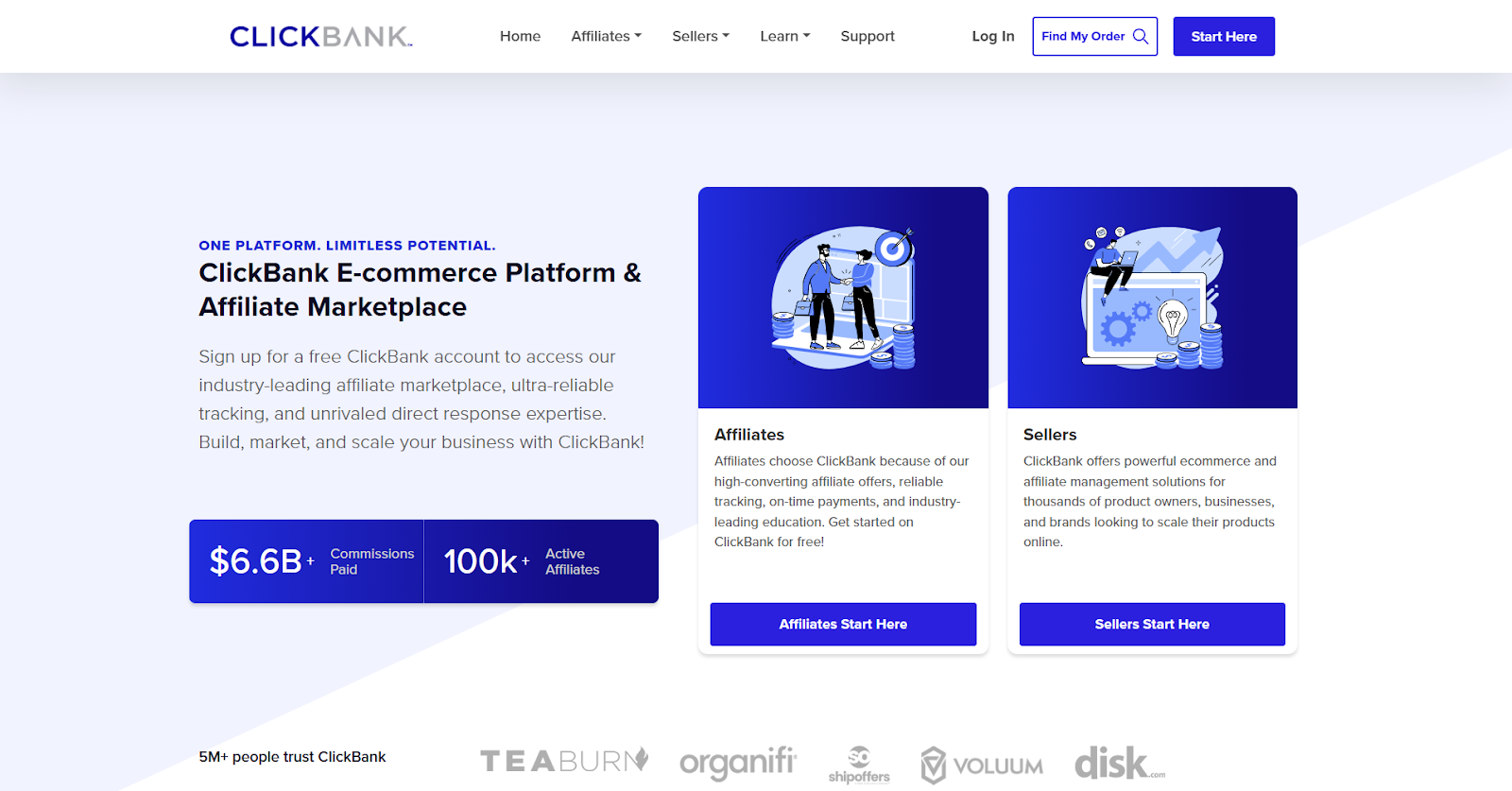
ClickBank is popular for digital products and information products. It’s easy to use, especially for beginners, and offers a vast marketplace of products to promote.
Admitad
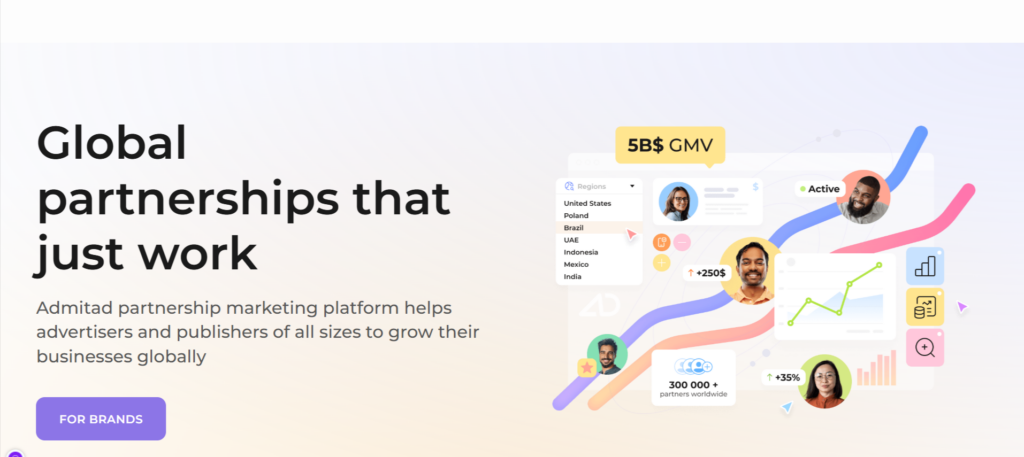
Admitad is a global network with a strong presence in Europe and Asia. It offers a wide range of offers and localized support in multiple languages.
Keep in mind that the best network for you will depend on your specific needs and niche. It’s often a good idea to join multiple networks to diversify your income streams and access a wider range of offers.
How to Get Started with CPA Marketing
This is how you begin a CPA marketing business.
- Choose a Niche: Select a niche you’re passionate about and has profitable CPA offers available.
- Join a CPA Network: Research and join a reputable CPA network that aligns with your niche and goals.
- Select Offers: Browse the network’s offers and choose ones that resonate with your audience and have good conversion rates.
- Create Landing Pages: Build high-converting landing pages that showcase the offer’s benefits and drive action.
- Drive Traffic: Use various traffic generation strategies to get targeted visitors to your landing pages.
- Track and Optimize: Monitor your campaign performance and make adjustments to improve your results.
Final Thoughts
You’re now well-equipped to embark on your CPA marketing journey. Remember, the keys to success are choosing the right offers, building high-converting landing pages, and driving targeted traffic. With dedication and persistence, you can achieve your CPA marketing goals and generate impressive returns.
Join the Industry’s Best Web Hosting Affiliate Program with Unlimited Cash-Earning Potential at InMotion Hosting.
I am so grateful to find out this platform